Complete Guide to C++ Classes: Explained with Examples
What are Classes in C++?
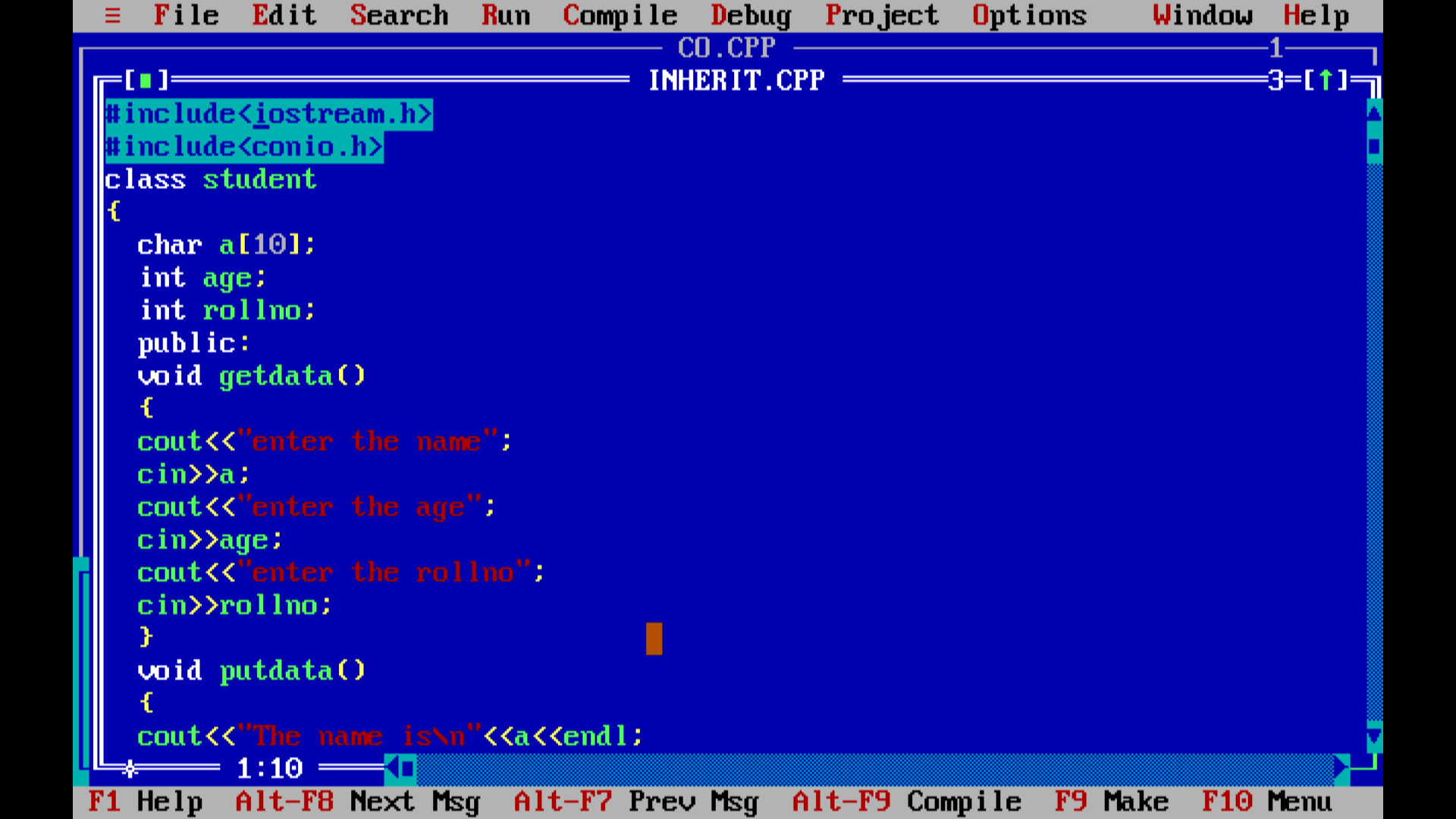
In C++, classes are the building blocks of object-oriented programming (OOP). They serve as blueprints or templates for creating objects. Classes define the structure and behavior of objects, encapsulating data (attributes) and functions (methods) that operate on that data. This encapsulation is a key aspect of OOP, promoting code reusability and modularity.
Classes allow developers to model real-world entities more effectively. For instance, a Car class can represent the attributes of a car (like color, model, and year) and methods (like start, stop, and accelerate) that define its behavior. This approach helps in organizing code logically and intuitively.
Defining a Class
To define a class in C++, you use the class keyword followed by the class name. Inside the class, you can define private and public sections. Private members are accessible only within the class, while public members can be accessed from outside the class. This access control is crucial for data encapsulation, allowing developers to hide the internal state of objects and expose only what is necessary.
class Car {
private:
    std::string color;
    std::string model;
    int year;
public:
    void setData(std::string c, std::string m, int y) {
        color = c;
        model = m;
        year = y;
    }
    void display() {
        std::cout << "Car Model: " << model << "\nColor: " << color << "\nYear: " << year << std::endl;
    }
};
Creating Objects
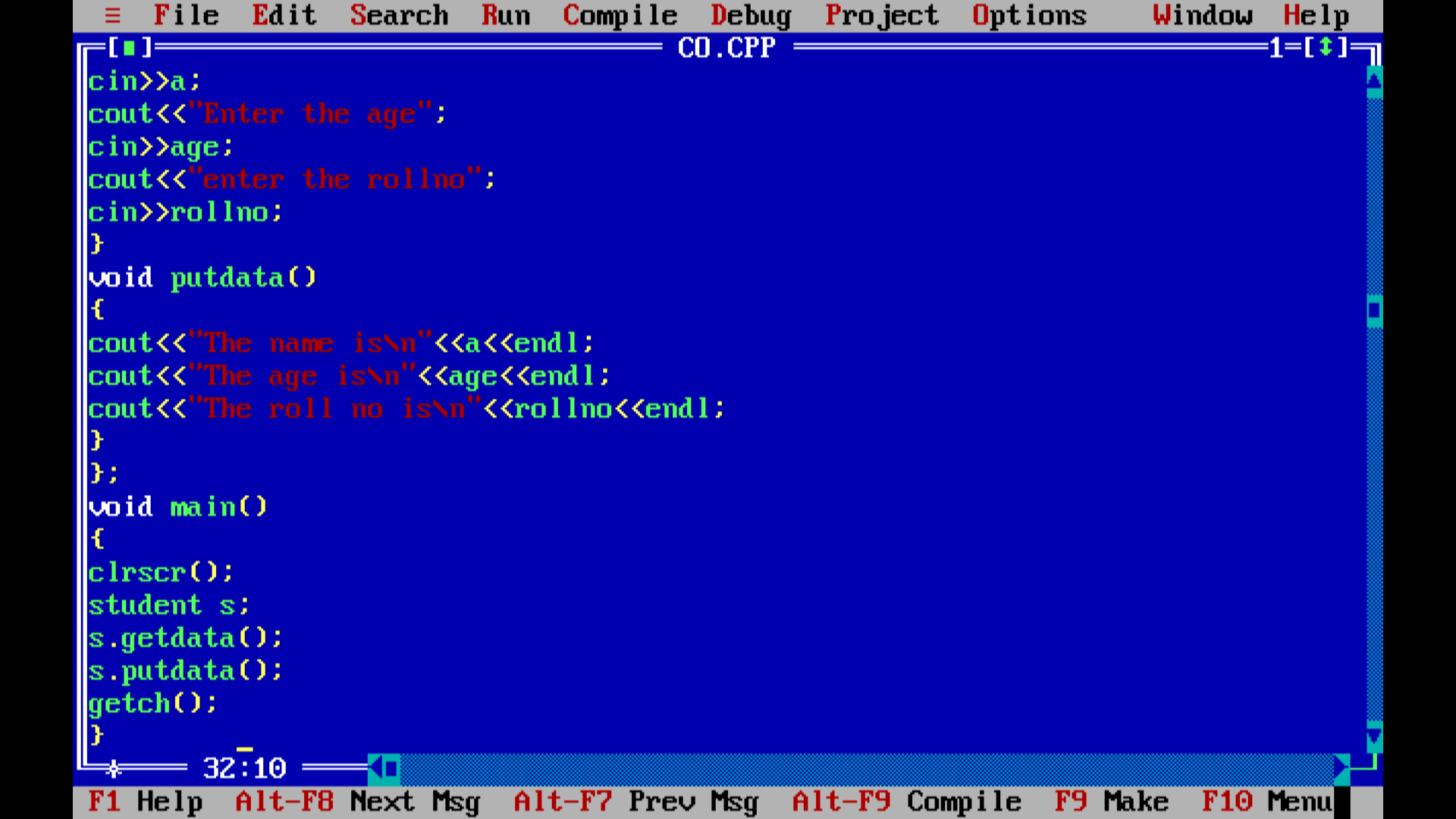
Objects are instances of classes. You can create an object by specifying the class name followed by a variable name. Once an object is instantiated, you can access its members (both attributes and methods) using the dot (.) operator.
int main() {
    Car myCar;
    myCar.setData("Red", "Toyota", 2021);
    myCar.display();
    return 0;
}
Access Modifiers
C++ provides three access modifiers: public, private, and protected. Public members can be accessed from anywhere outside the class, private members can only be accessed from within the class, and protected members can be accessed in derived classes.
Using access modifiers effectively is important for maintaining the integrity of your data. For instance, you may want to make certain attributes private to prevent unauthorized access or modification. This encapsulation ensures that the internal state of an object is protected from unintended interference.
Constructors and Destructors
Constructors are special member functions that are automatically called when an object of a class is created. They can be used to initialize class attributes. Destructors, on the other hand, are called when an object is destroyed, allowing for cleanup tasks such as releasing resources.
class Student {
private:
    std::string name;
    int age;
public:
    Student(std::string n, int a) { // Constructor
        name = n;
        age = a;
    }
    ~Student() { // Destructor
        std::cout << "Destructor called for " << name << std::endl;
    }
    void display() {
        std::cout << "Name: " << name << "\nAge: " << age << std::endl;
    }
};
Inheritance
Inheritance is a fundamental concept in OOP that allows a class (derived class) to inherit attributes and methods from another class (base class). This promotes code reusability and establishes a hierarchical relationship between classes.
class Vehicle {
public:
    void start() {
        std::cout << "Vehicle started" << std::endl;
    }
};

class Car : public Vehicle {
public:
    void honk() {
        std::cout << "Car honks" << std::endl;
    }
};
Polymorphism
Polymorphism allows methods to do different things based on the object that it is acting upon, even when they share the same name. This can be achieved through function overloading and operator overloading.
class Shape {
public:
    virtual void draw() {
        std::cout << "Drawing a shape" << std::endl;
    }
};

class Circle : public Shape {
public:
    void draw() override {
        std::cout << "Drawing a circle" << std::endl;
    }
};
Edge Cases & Gotchas
When working with classes in C++, developers should be aware of several edge cases and potential pitfalls. One common issue is the use of uninitialized pointers, which can lead to undefined behavior.
Another important aspect to consider is the Rule of Three: if a class requires a user-defined destructor, copy constructor, or copy assignment operator, it likely requires all three. This is crucial for managing resources properly and avoiding memory leaks.
Performance & Best Practices
To ensure optimal performance when using classes in C++, follow these best practices:
- Use const: When passing objects to functions, use const references to avoid unnecessary copies.
- Prefer composition over inheritance: Favor using objects as members of other classes instead of relying on inheritance, which can lead to tight coupling.
- Implement move semantics: Utilize move constructors and move assignment operators to optimize resource management.
Conclusion
Understanding classes in C++ is fundamental to mastering object-oriented programming. They allow for better organization, encapsulation, and reusability of code. Here are the key takeaways:
- Classes encapsulate data and behavior, serving as blueprints for objects.
- Access modifiers control the visibility of class members.
- Constructors and destructors manage resource allocation and cleanup.
- Inheritance and polymorphism enable code reusability and flexibility.
- Be aware of edge cases to avoid common pitfalls.
- Follow best practices for optimal performance and maintainability.