Download Files as Zip file in Asp.Net
Understanding Zip Files and Their Use Cases
Zip files are compressed archives that can contain one or more files and folders. They are widely used for various purposes, including:
- Reducing File Size: Compression reduces the size of files, which is especially useful for transferring large files over the internet.
- Bundling Files: Zip files allow users to download multiple files in one go, simplifying the download process.
- Organizing Content: They help in organizing related files together, making it easier for users to manage their downloads.
In ASP.NET MVC applications, providing users with the ability to download files as a zip archive can significantly improve usability. For instance, if your application allows users to generate reports or gather resources, zipping those files into a single downloadable package can streamline their experience.
Prerequisites
Before diving into the implementation, ensure you have the following prerequisites:
- A working ASP.NET MVC project.
- Basic understanding of C# and ASP.NET MVC framework.
- NuGet package manager to install necessary libraries.
Setting Up the ZipArchive Class
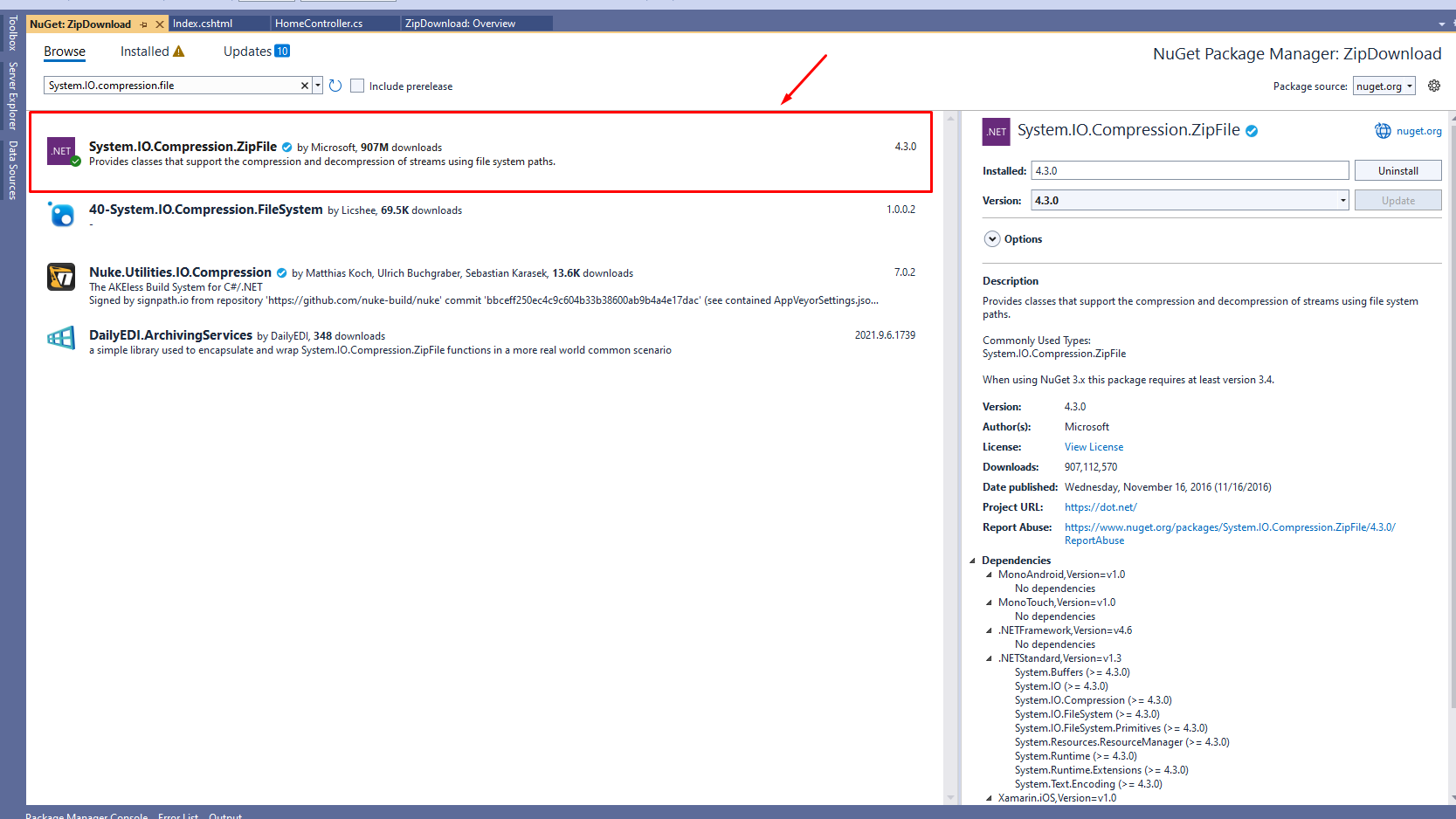
To start using the ZipArchive class in your ASP.NET MVC application, you need to install the System.IO.Compression library. This can be done via NuGet Package Manager. Open the NuGet Package Manager Console and run the following command:
Install-Package System.IO.CompressionOnce the package is installed, you will need to include the necessary namespaces in your controller:
using System.IO;
using System.IO.Compression;
Implementing the Download Functionality
Now, let’s implement the functionality to download files as a zip. We will create a controller action that gathers the file paths, creates a zip archive, and returns it as a downloadable file.
public ActionResult DownloadFilesAsZip() {
    // Get the paths of the files to be included in the zip
    string[] filePaths = new string[] {
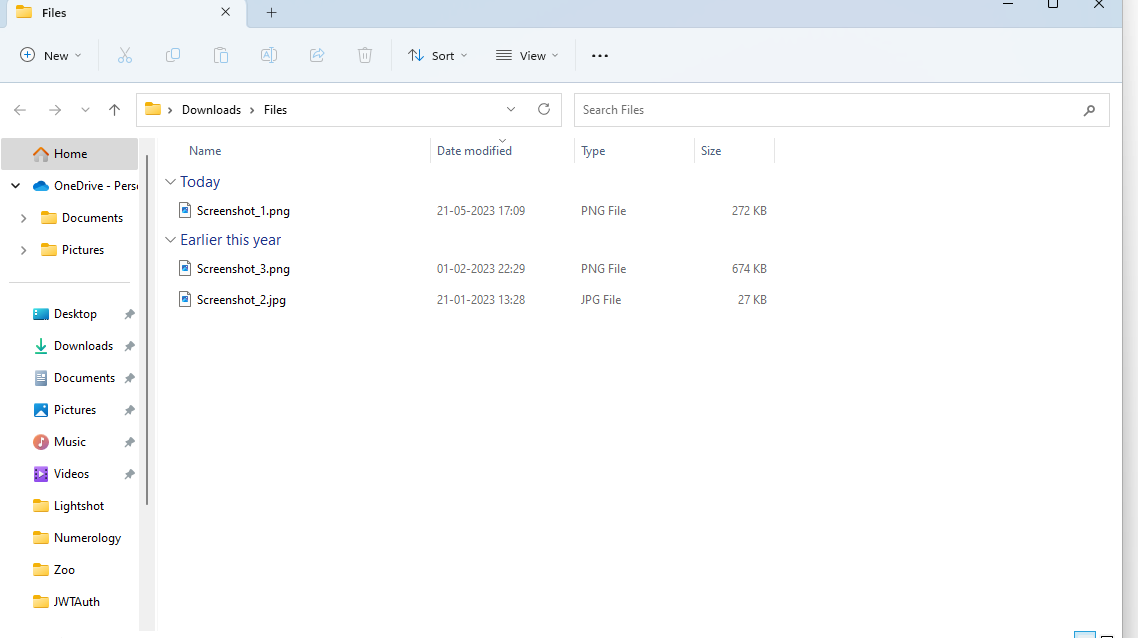
        Server.MapPath("~/Content/Screenshot_1.png"),
        Server.MapPath("~/Content/Screenshot_2.jpg"),
        Server.MapPath("~/Content/Screenshot_3.png")
    };

    // Create a memory stream to store the zip file
    using (MemoryStream memoryStream = new MemoryStream()) {
        using (ZipArchive zipArchive = new ZipArchive(memoryStream, ZipArchiveMode.Create, true)) {
            // Add each file to the zip archive
            foreach (string filePath in filePaths) {
                string fileName = Path.GetFileName(filePath);
                zipArchive.CreateEntryFromFile(filePath, fileName);
            }
        }
        // Set the position of the memory stream back to the beginning
        memoryStream.Position = 0;
        // Return the zip file for download
        return File(memoryStream, "application/zip", "Files.zip");
    }
}
In the code above, we specify the paths of the files we want to include in the zip archive. The ZipArchive class is used to create a new zip file in memory. Each file is added to the archive using the CreateEntryFromFile method. Finally, we return the zip file as a downloadable response.
Creating the Download Link in the View
To allow users to trigger the download, you need to create a link in your view. You can use the following Razor syntax to create an action link:
@Html.ActionLink("Download Files as Zip", "DownloadFilesAsZip", "Home")This link will invoke the DownloadFilesAsZip action when clicked, initiating the zip file download.
Edge Cases & Gotchas
When implementing file downloads, there are several edge cases and potential pitfalls to consider:
- File Not Found: Ensure the specified file paths are valid. If a file does not exist, it can throw an exception. Implement error handling to manage such cases gracefully.
- Large Files: Be mindful of memory usage when creating large zip files. If the files are too large, consider streaming the zip file instead of loading it entirely into memory.
- File Permissions: Ensure that your application has the necessary permissions to access the files being zipped. Lack of permissions can lead to access denied errors.
Performance & Best Practices
To ensure optimal performance when downloading files as a zip archive, consider the following best practices:
- Stream Files: For large files, consider using a streaming approach to avoid memory overflow. This can be done by writing directly to the response stream instead of using a MemoryStream.
- Use Asynchronous Methods: Implement asynchronous actions to prevent blocking the main thread. This is crucial for maintaining application responsiveness, especially under load.
- Limit File Size: Set limits on the size of files that can be zipped to prevent excessive memory usage and potential downtime.
Conclusion
In this article, we explored how to implement file downloads as zip archives in an ASP.NET MVC application using the ZipArchive class. Here are the key takeaways:
- Zip files improve user experience by allowing multiple files to be downloaded in a single action.
- Proper error handling is essential to manage edge cases effectively.
- Performance can be optimized by using streaming and asynchronous methods.