Login Register
Code2night
  • Home
  • Blog Archive
  • Learn
    • Tutorials
    • Videos
  • Interview Q&A
  • Languages
    • Angular Angular js ASP.NET Asp.net Core ASP.NET Core, C# ASP.NET MVC ASP.NET Web Forms C C# C#, ASP.NET Core, Dapper
      C#, ASP.NET Core, Dapper, Entity Framework DotNet General Web Development HTML, CSS HTML/CSS Java JavaScript JavaScript, HTML, CSS JavaScript, Node.js Node.js
      Python Python 3.11, Pandas, SQL Python 3.11, SQL Python 3.11, SQLAlchemy Python 3.11, SQLAlchemy, SQL Python 3.11, SQLite React Security SQL Server TypeScript
  • Post Blog
  • Tools
    • Beautifiers
      JSON Beautifier HTML Beautifier XML Beautifier CSS Beautifier JS Beautifier SQL Formatter
      Dev Utilities
      JWT Decoder Regex Tester Diff Checker Cron Explainer String Escape Hash Generator Password Generator
      Converters
      Base64 Encode/Decode URL Encoder/Decoder JSON to CSV CSV to JSON JSON to TypeScript Markdown to HTML Number Base Converter Timestamp Converter Case Converter
      Generators
      UUID / GUID Generator Lorem Ipsum QR Code Generator Meta Tag Generator
      Image Tools
      Image Converter Image Resizer Image Compressor Image to Base64 PNG to ICO Background Remover Color Picker
      Text & Content
      Word Counter PDF Editor
      SEO & Web
      SEO Analyzer URL Checker World Clock
  1. Home
  2. Blog
  3. ASP.NET Core
  4. Using Firebase Database in Asp.Net

Using Firebase Database in Asp.Net

Date- Sep 22,2022 Updated Mar 2026 10072 Free Download Pay & Download
Firebase Firebase Database

Understanding Firebase Database

Firebase is a powerful platform developed by Google that provides a suite of tools for building mobile and web applications. The Firebase Realtime Database allows developers to store and sync data in real-time across all clients, making it an excellent choice for applications that require instant data updates, such as chat applications, social media platforms, and collaborative tools.

By leveraging Firebase Database in your ASP.NET applications, you can achieve better performance, as data is stored in a NoSQL format and can be accessed quickly. This article will walk you through the steps to integrate Firebase Database with your ASP.NET application, ensuring you can harness its capabilities effectively.

Prerequisites

Before you start integrating Firebase with your ASP.NET application, ensure you have the following prerequisites:

  • Visual Studio: Ensure you have Visual Studio installed with ASP.NET development features enabled.
  • Firebase Account: Sign up for a Firebase account if you don't have one.
  • Basic Knowledge of C# and ASP.NET: Familiarity with C# programming and ASP.NET MVC framework is essential for following this tutorial.
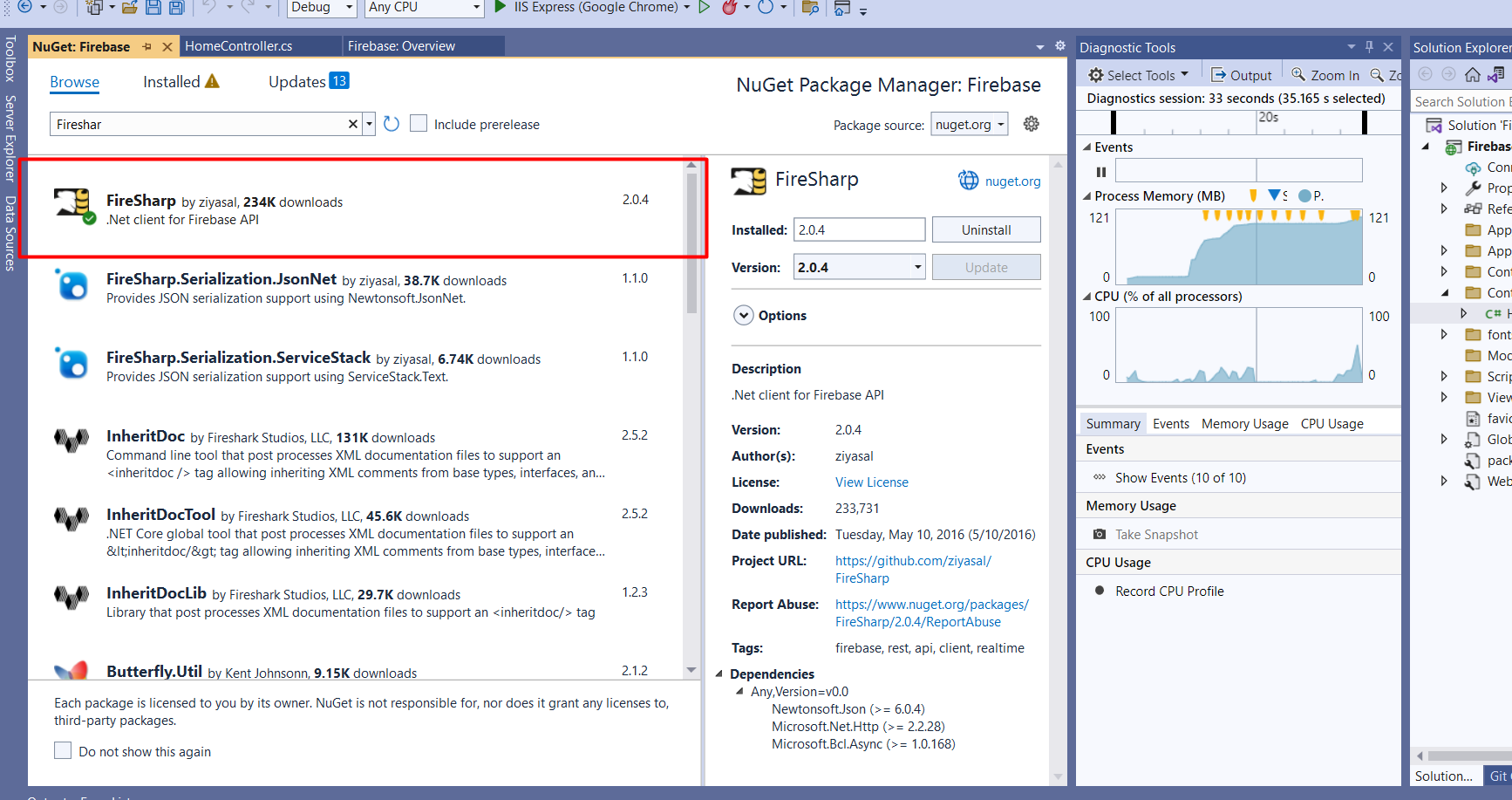
  • NuGet Package Manager: You will need to install the FireSharp package to interact with Firebase.

Setting Up Firebase Database

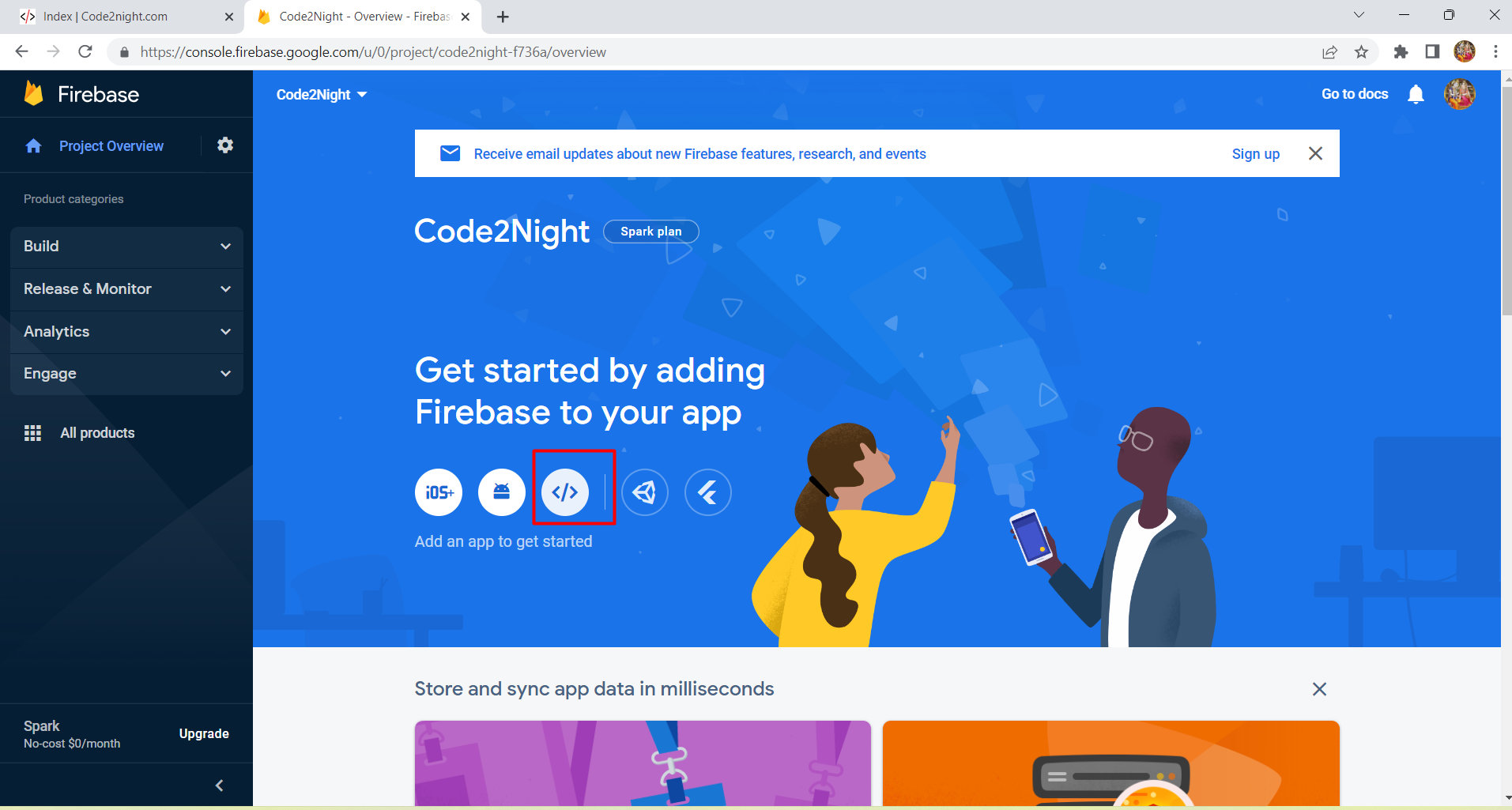
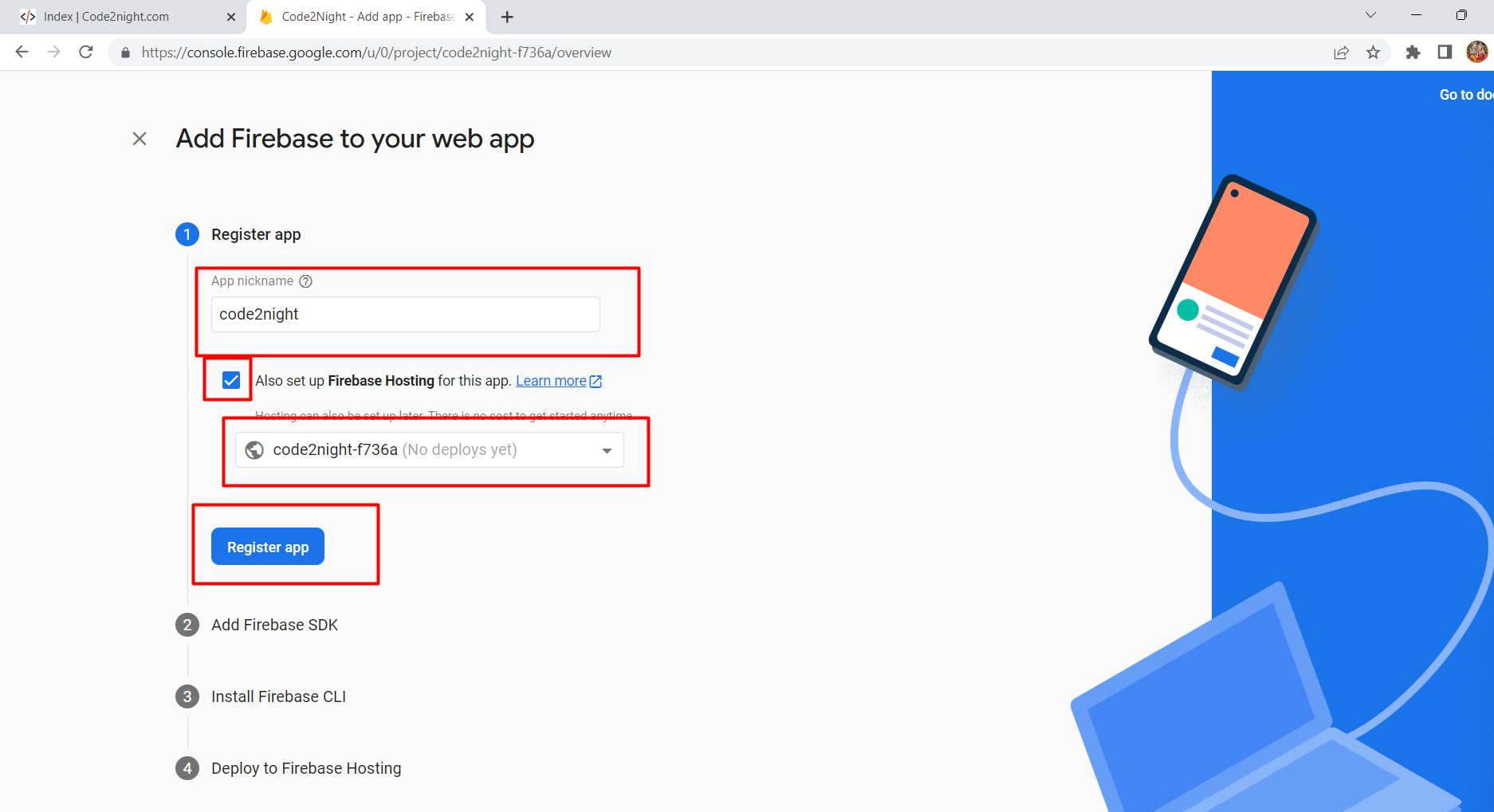
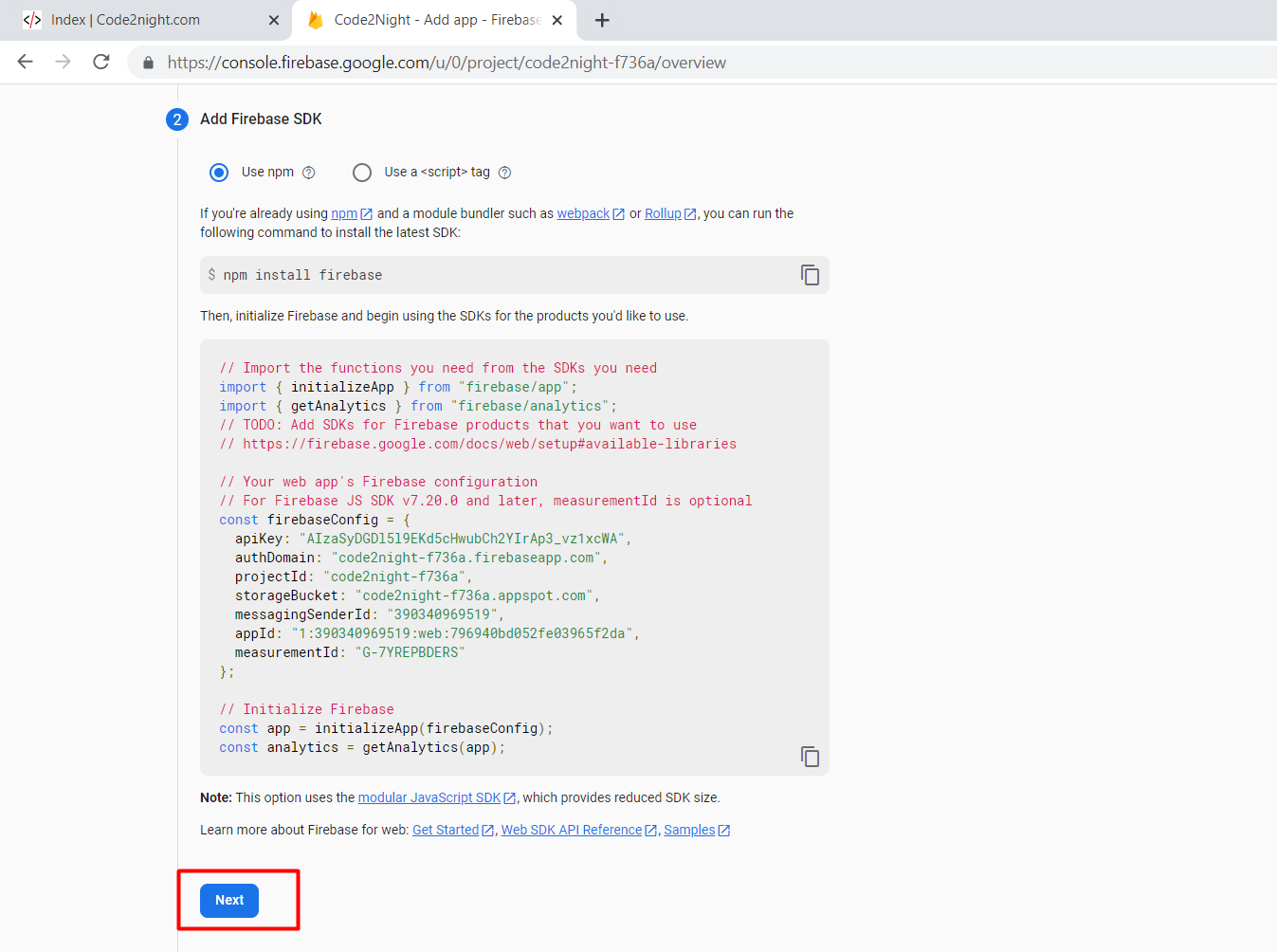
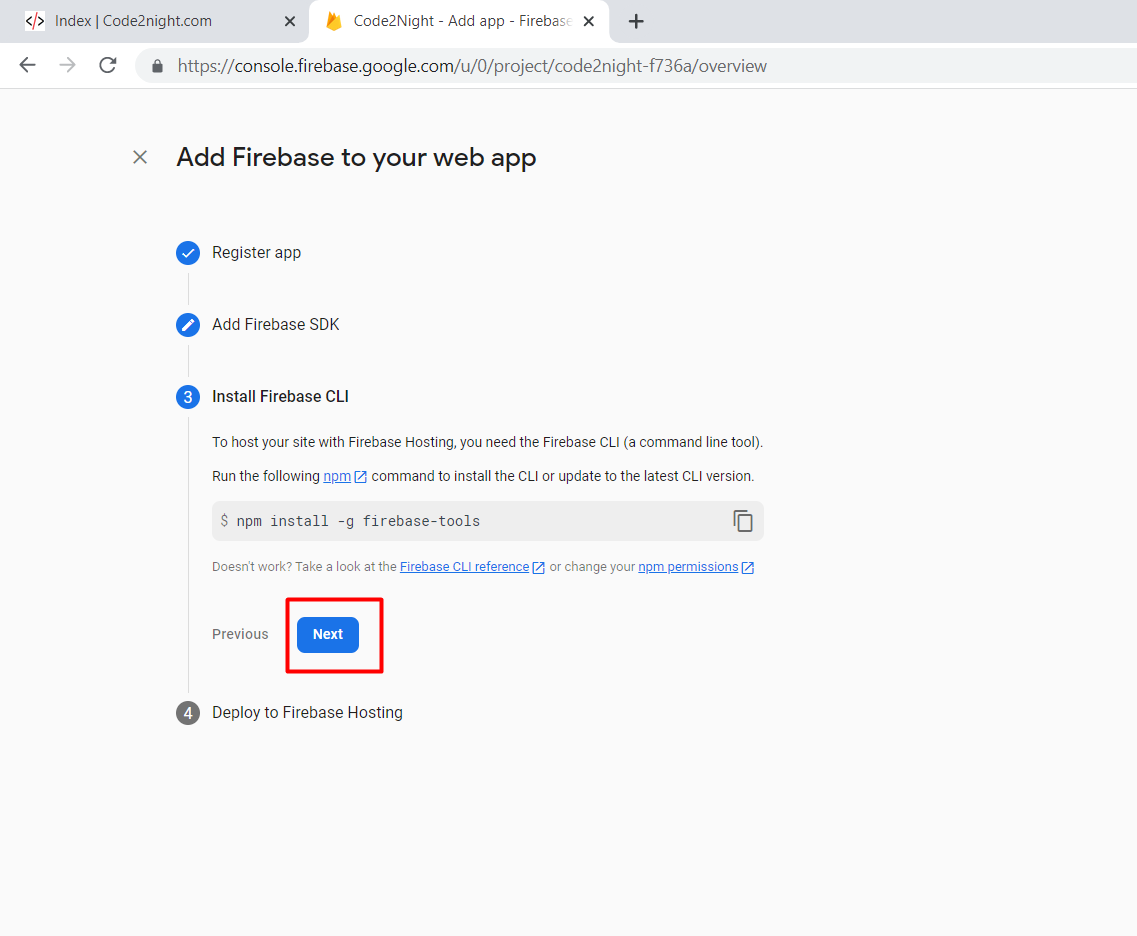
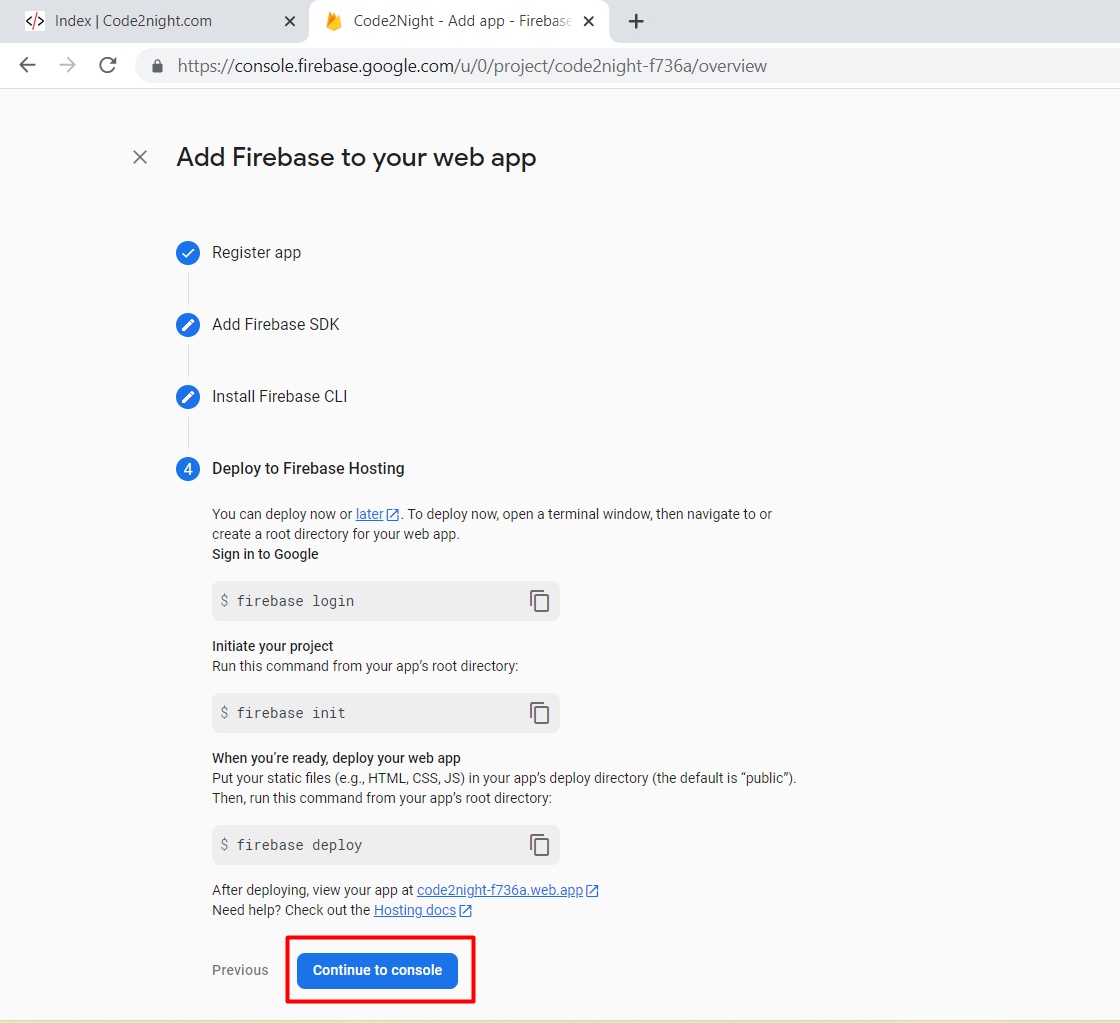
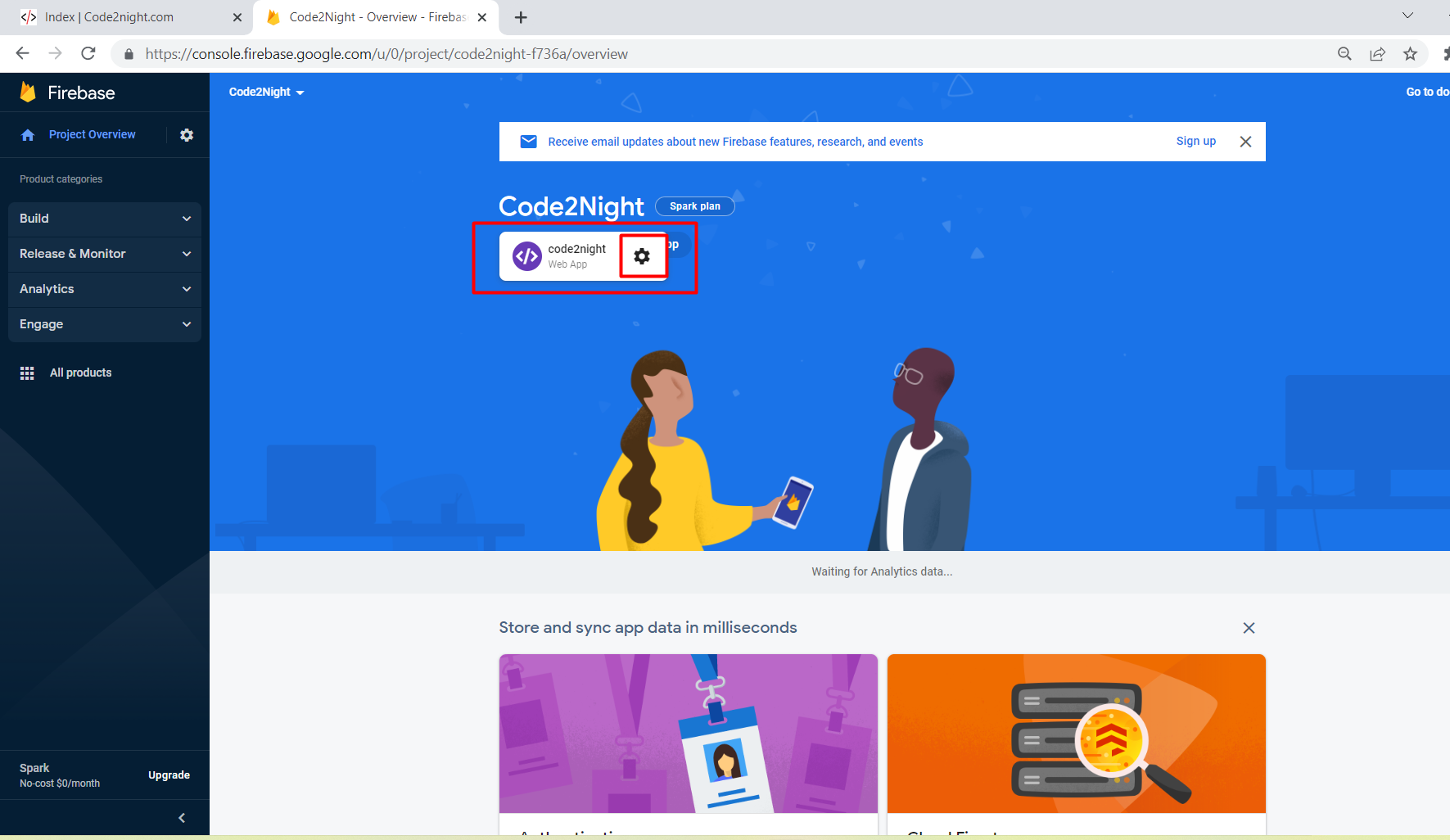
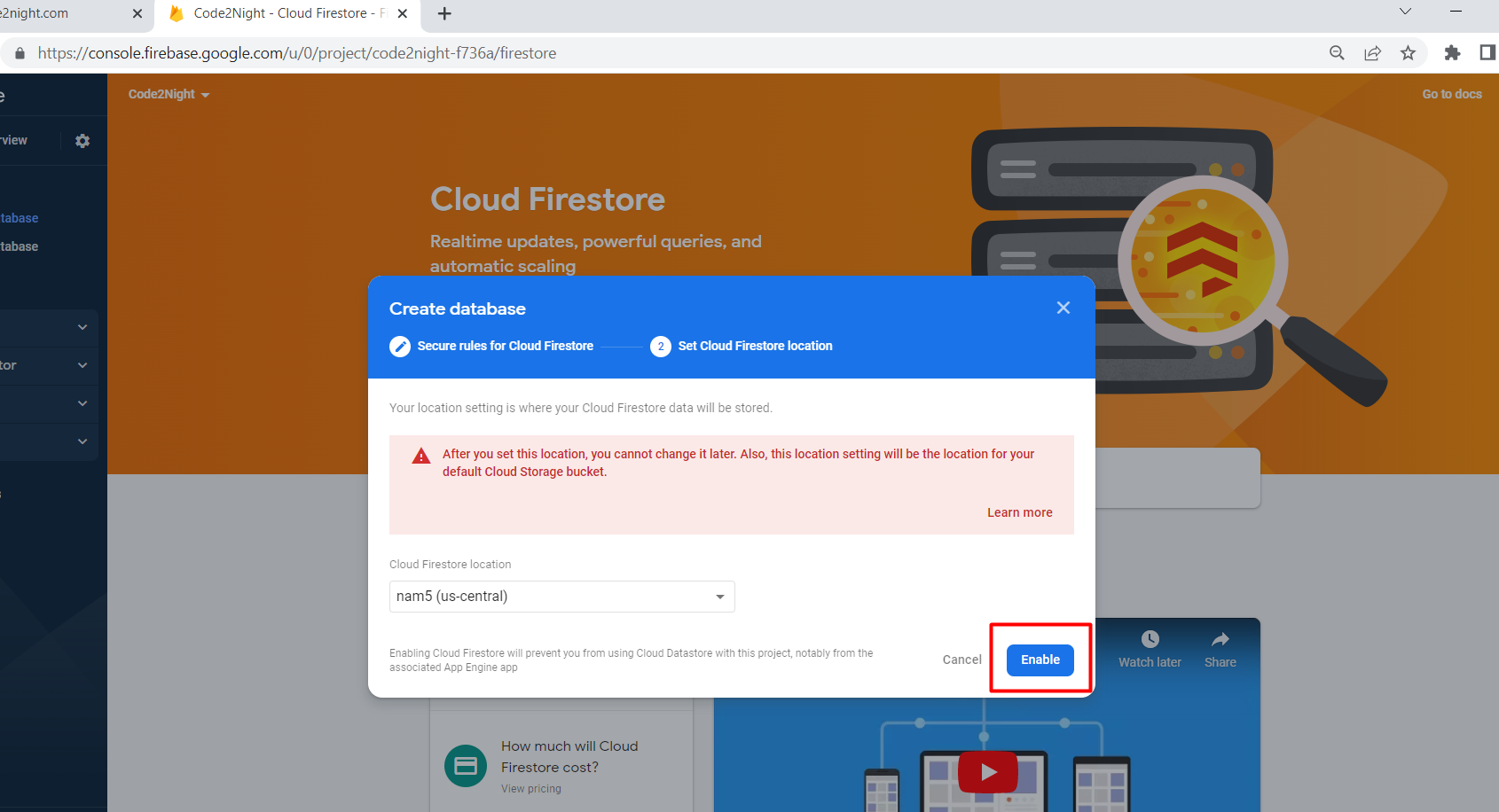
To start using Firebase Database, you first need to create a Firebase project and set up the database. Follow these steps:

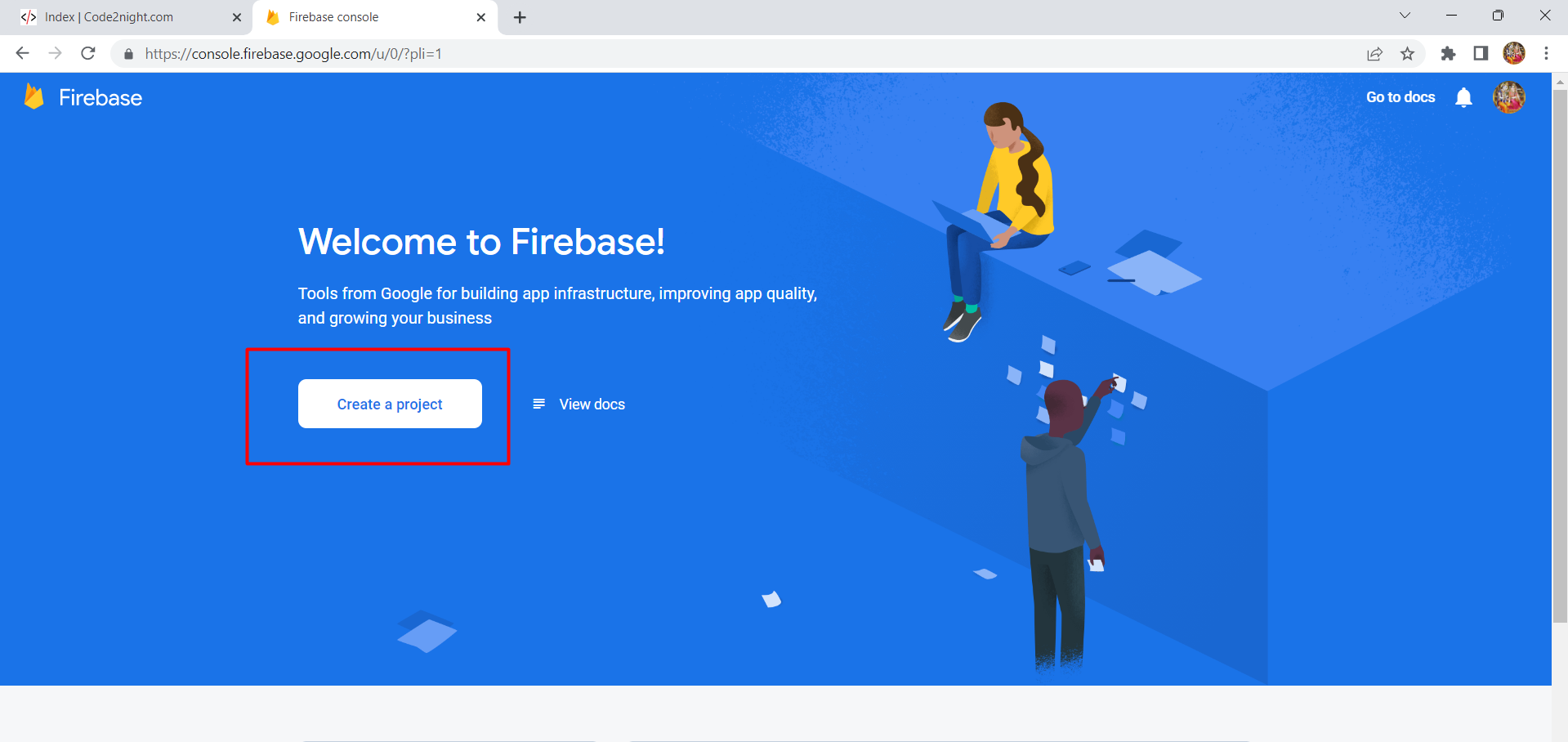
  1. Go to the Firebase Console and sign in with your Google account.
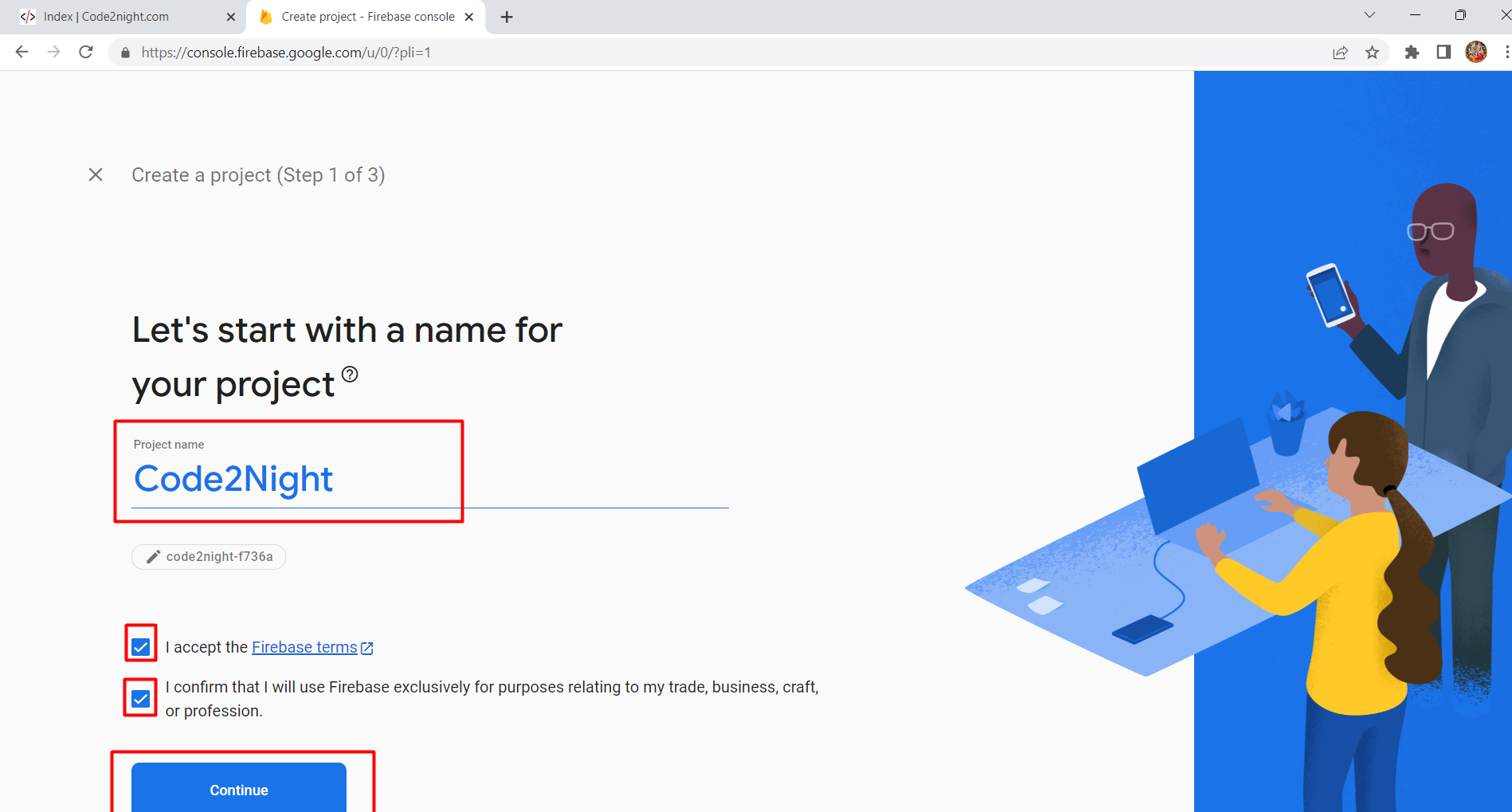
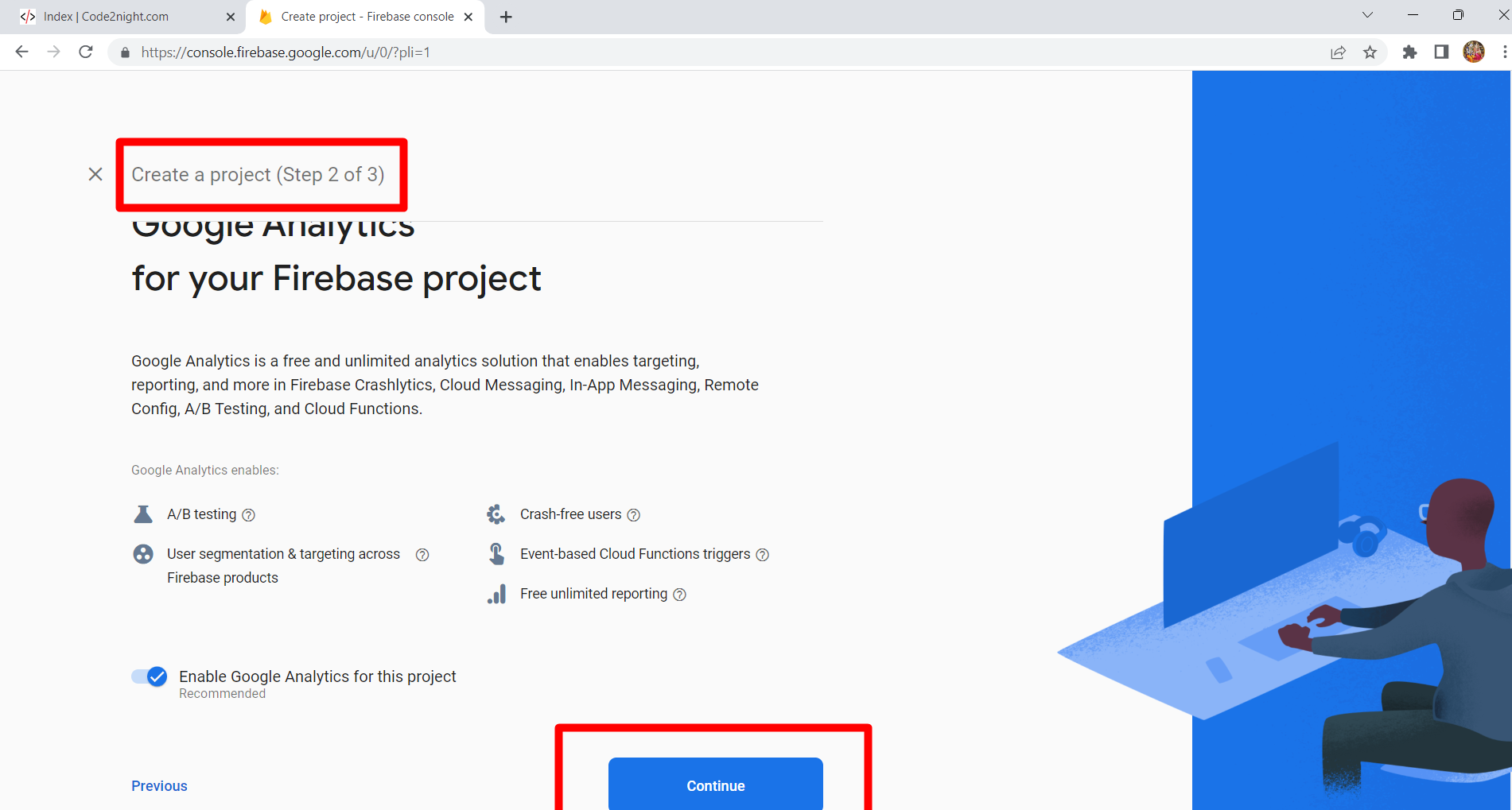
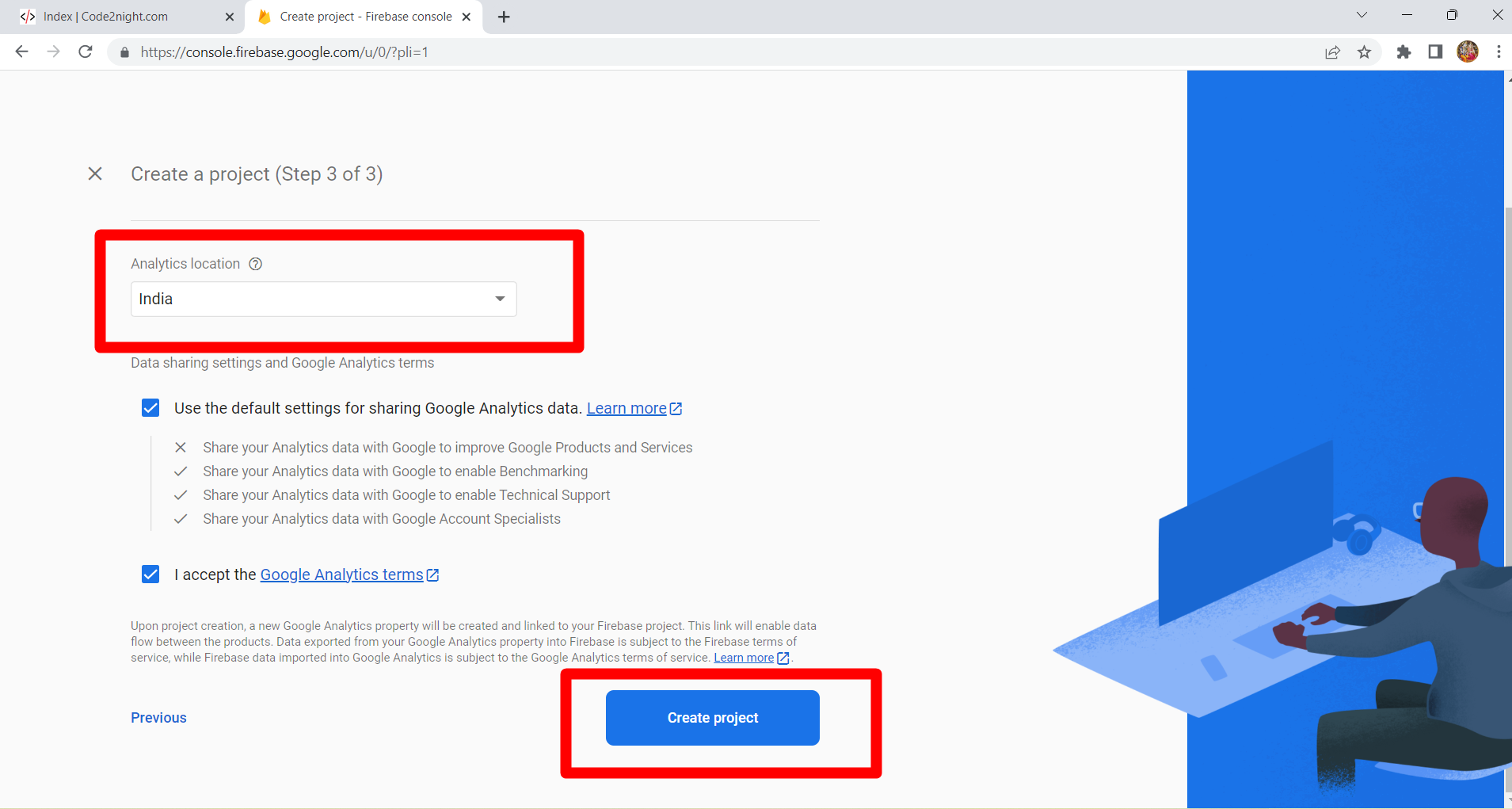
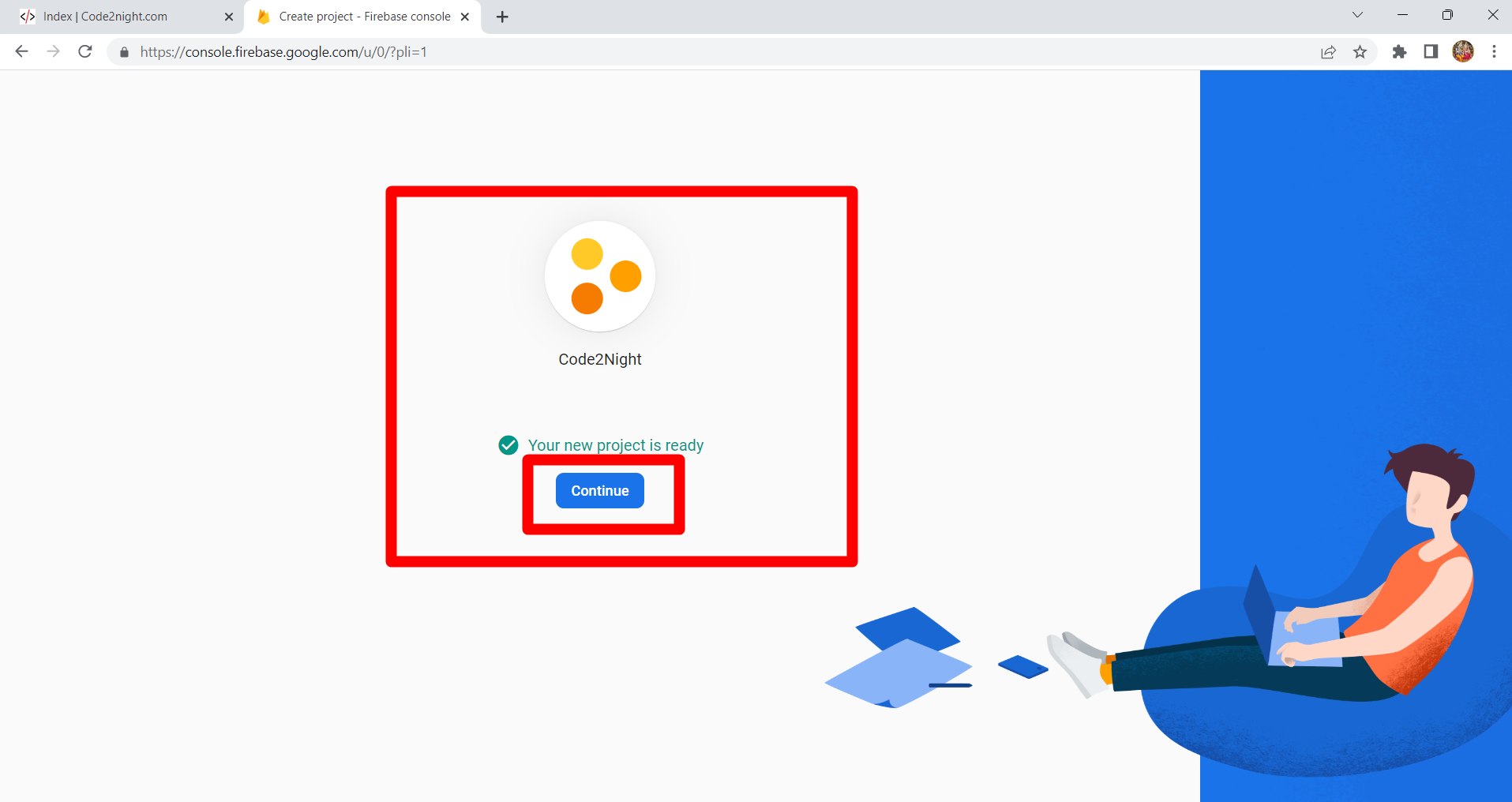
  2. Click on Create a project and follow the prompts to set up your project.
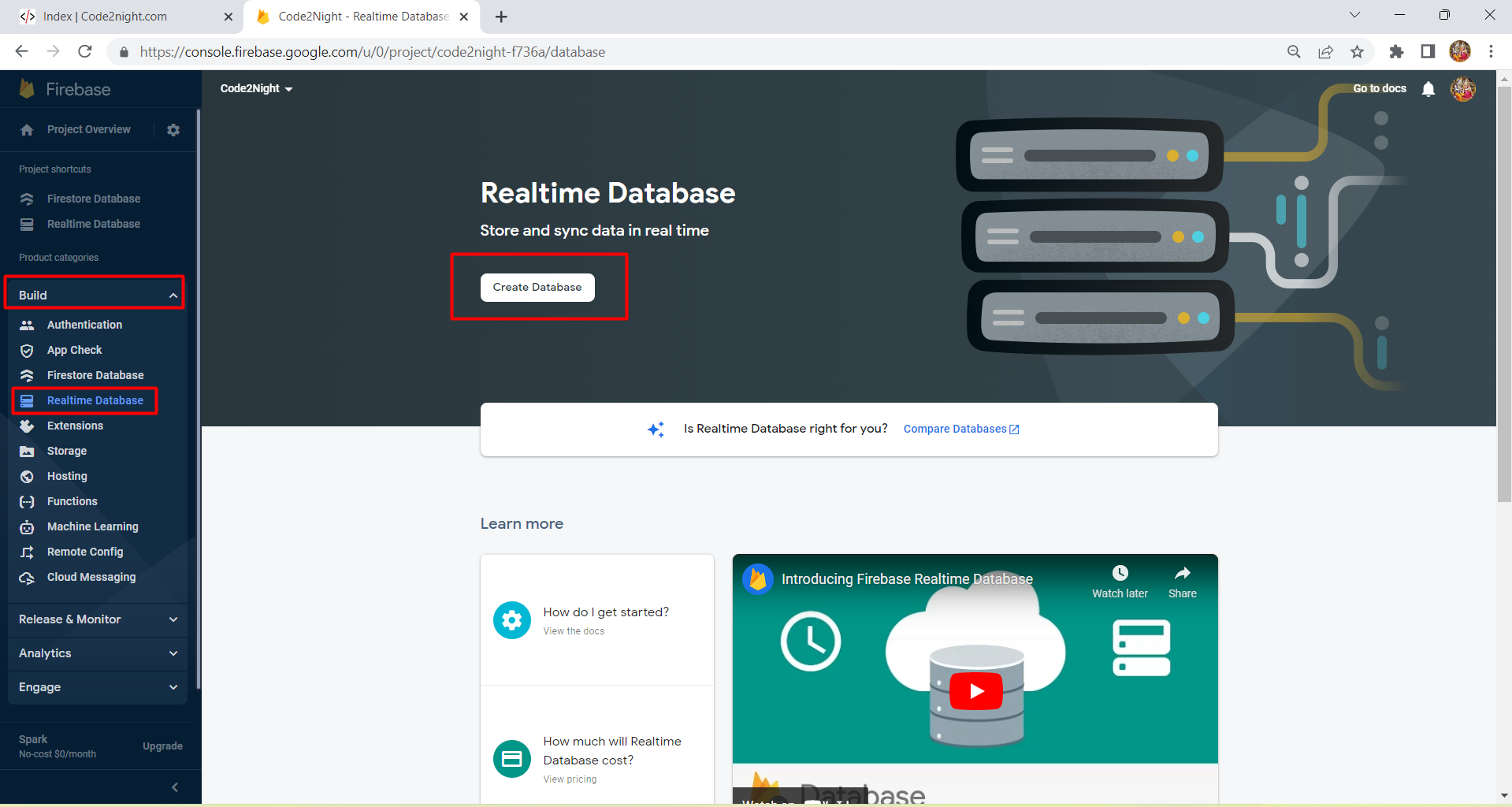
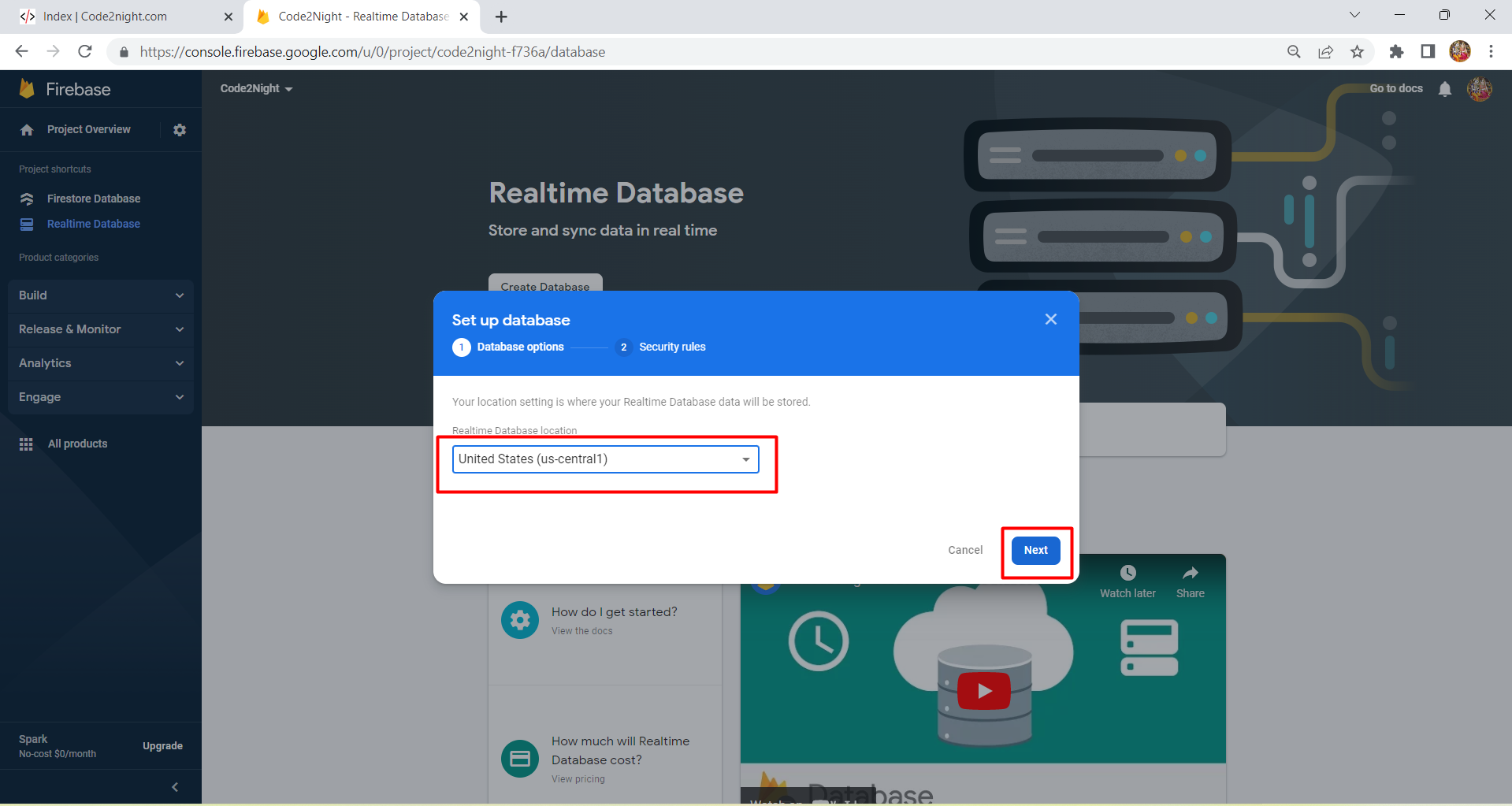
  3. Once the project is created, navigate to the Realtime Database section from the left-hand menu.
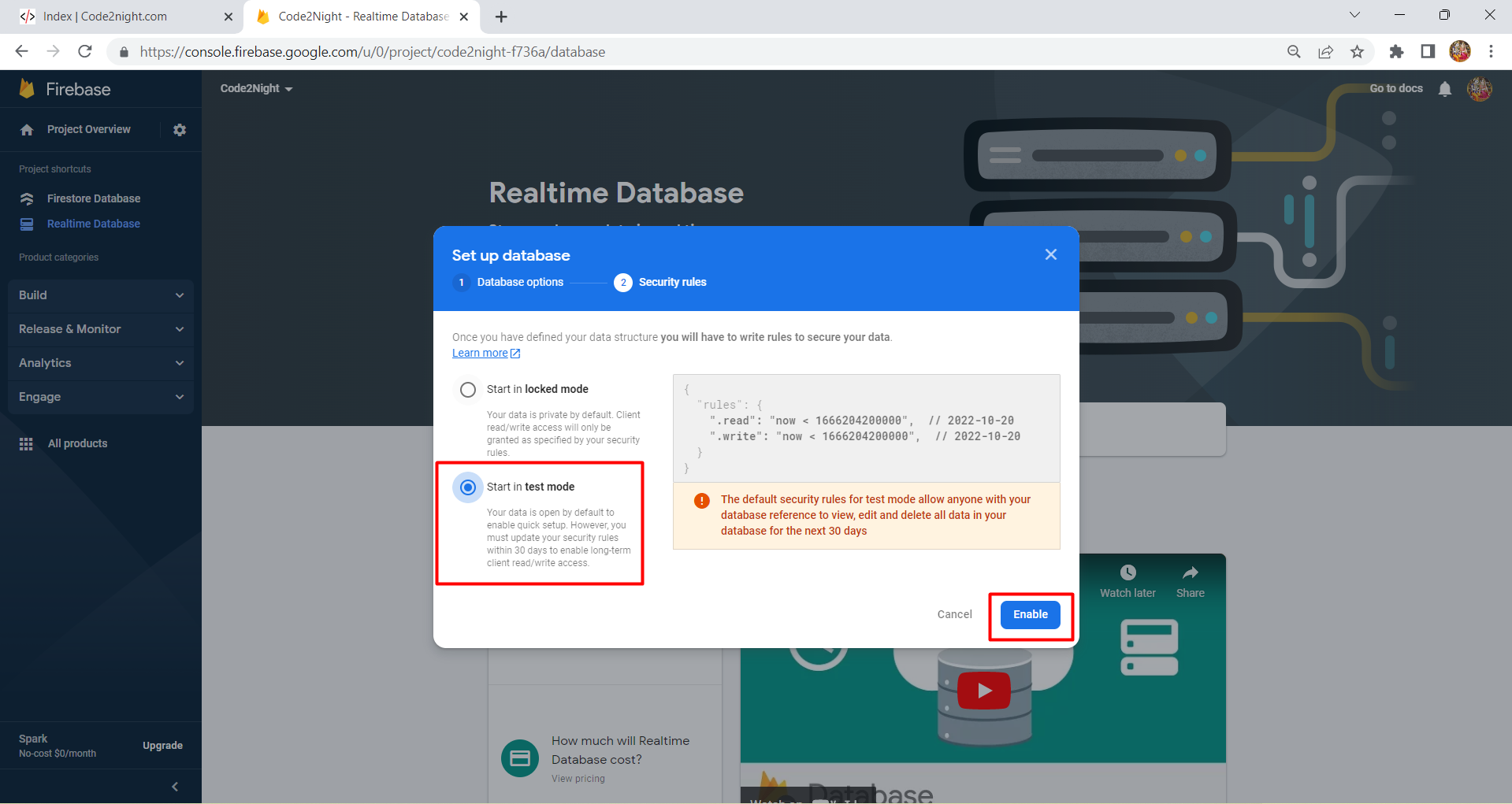
  4. Click on Create Database and choose Test Mode to allow read and write access during development.

Make sure to secure your database rules before deploying your application to production.

Using Firebase Database in AspNet

Integrating Firebase with ASP.NET

Now that you have set up your Firebase database, the next step is to integrate it into your ASP.NET application. Begin by creating a new ASP.NET MVC project and install the FireSharp NuGet package. This package allows communication between your ASP.NET application and Firebase.

Install-Package FireSharp

Once the package is installed, create a new controller (e.g., HomeController) and add the following code to connect to your Firebase database:

using FireSharp.Config;
using FireSharp.Interfaces;
using System.Web.Mvc;

namespace Firebase.Controllers {
    public class HomeController : Controller {
        public ActionResult Index() {
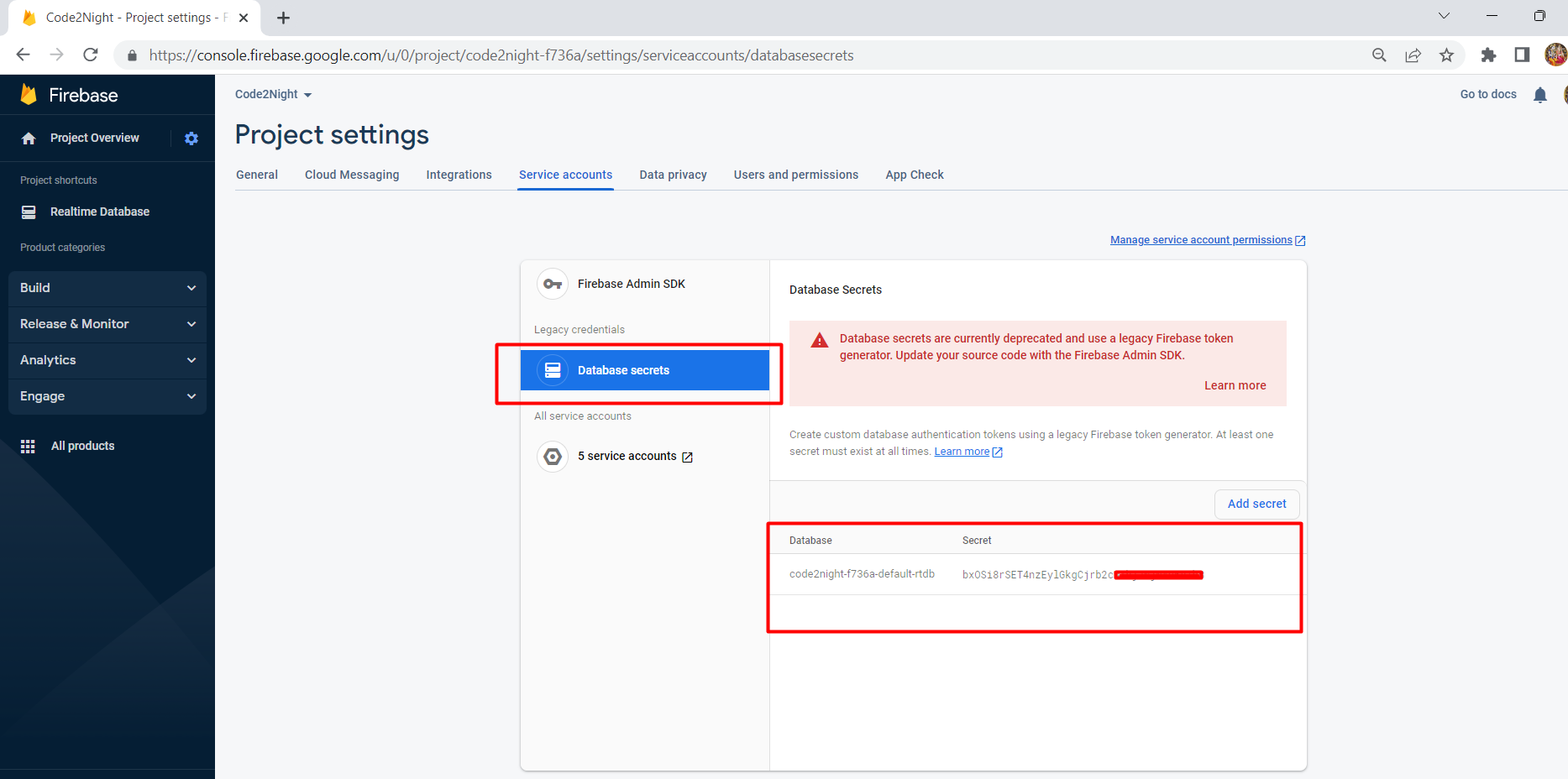
            string authSecret = "YOUR_DATABASE_SECRET_KEY"; // Enter your database secret here
            string basePath = "https://YOUR_DATABASE_URL.firebaseio.com/"; // Enter your database URL
            IFirebaseClient client;
            IFirebaseConfig config = new FirebaseConfig {
                AuthSecret = authSecret,
                BasePath = basePath
            };
            client = new FireSharp.FirebaseClient(config);

            if (client != null && !string.IsNullOrEmpty(basePath) && !string.IsNullOrEmpty(authSecret)) {
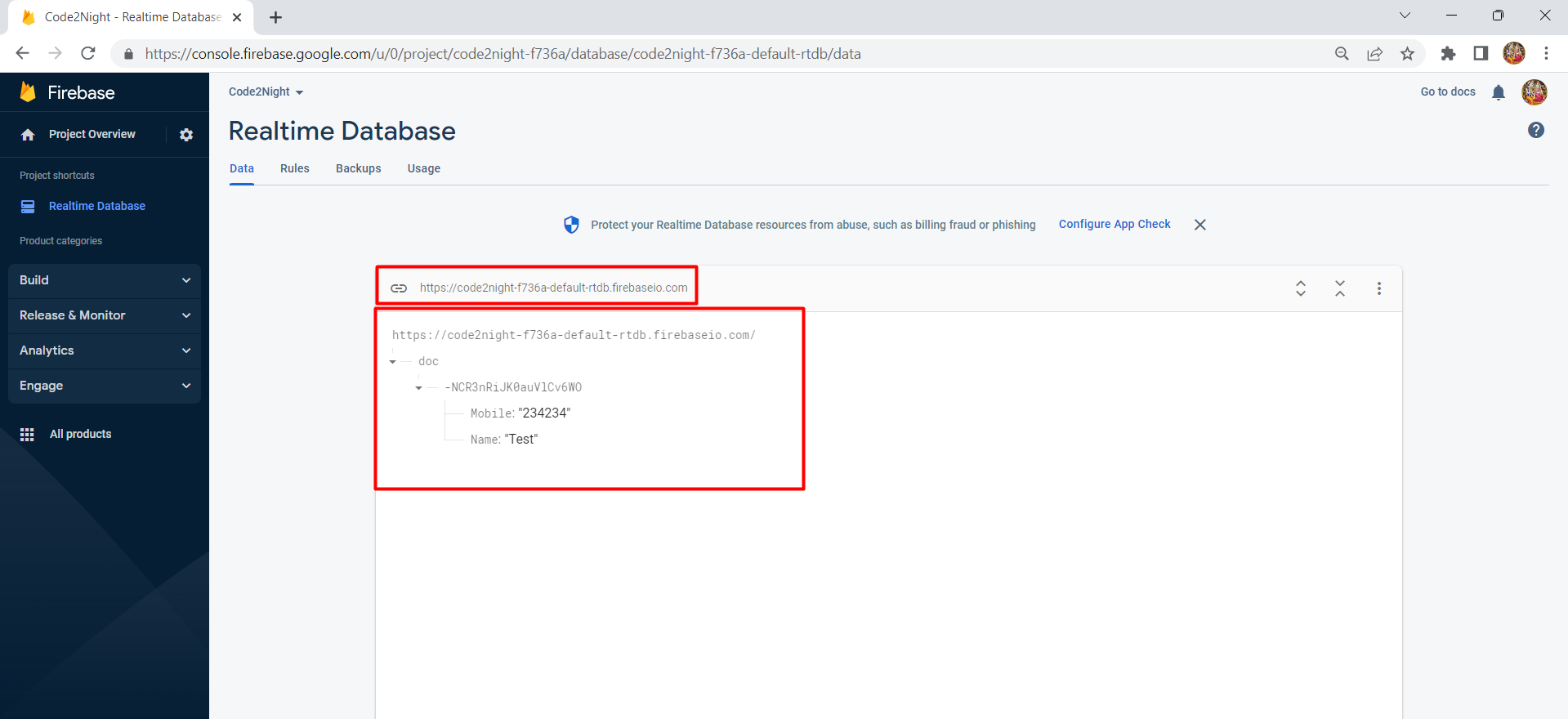
                var data = new { Name = "Test", Mobile = "234234" };
                var response = client.Push("doc/", data);
            }
            return View();
        }
    }
} 

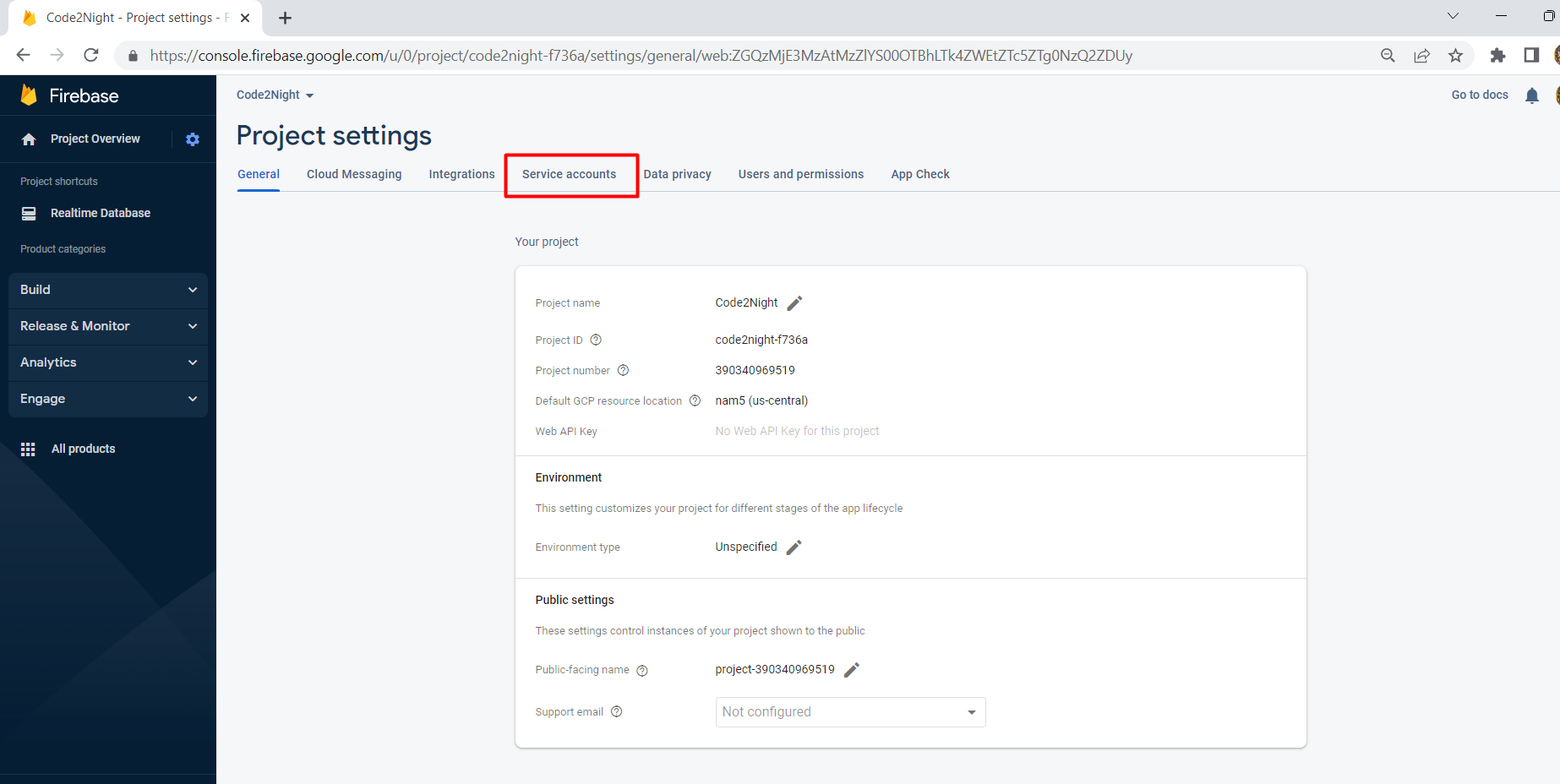
Replace YOUR_DATABASE_SECRET_KEY and YOUR_DATABASE_URL with your actual Firebase credentials. After running the application, you should see the data being saved to your Firebase database.

Using Firebase Database in AspNet 2

Reading Data from Firebase

In addition to writing data, you may want to read data from Firebase. This can be accomplished using the Get method provided by the FireSharp library. Here’s how you can implement data retrieval in your controller:

public ActionResult GetData() {
    string authSecret = "YOUR_DATABASE_SECRET_KEY";
    string basePath = "https://YOUR_DATABASE_URL.firebaseio.com/";
    IFirebaseClient client;
    IFirebaseConfig config = new FirebaseConfig {
        AuthSecret = authSecret,
        BasePath = basePath
    };
    client = new FireSharp.FirebaseClient(config);

    var result = client.Get("doc/");
    var data = result.Body;
    return Content(data);
}

This code snippet retrieves the data from the specified path in your Firebase database. You can then manipulate or display this data as needed in your application.

Using Firebase Database in AspNet 3

Handling Data Updates and Deletions

Updating and deleting data in Firebase is straightforward. You can use the Set and Remove methods provided by the FireSharp library. Here’s how you can implement these operations:

public ActionResult UpdateData() {
    string authSecret = "YOUR_DATABASE_SECRET_KEY";
    string basePath = "https://YOUR_DATABASE_URL.firebaseio.com/";
    IFirebaseClient client;
    IFirebaseConfig config = new FirebaseConfig {
        AuthSecret = authSecret,
        BasePath = basePath
    };
    client = new FireSharp.FirebaseClient(config);

    var data = new { Name = "Updated Name", Mobile = "123456" };
    var response = client.Set("doc/doc_id", data);
    return RedirectToAction("GetData");
}

public ActionResult DeleteData() {
    string authSecret = "YOUR_DATABASE_SECRET_KEY";
    string basePath = "https://YOUR_DATABASE_URL.firebaseio.com/";
    IFirebaseClient client;
    IFirebaseConfig config = new FirebaseConfig {
        AuthSecret = authSecret,
        BasePath = basePath
    };
    client = new FireSharp.FirebaseClient(config);

    var response = client.Remove("doc/doc_id");
    return RedirectToAction("GetData");
}

Replace doc_id with the actual ID of the document you want to update or delete. This allows you to manage your data effectively within the Firebase ecosystem.

Using Firebase Database in AspNet 4

Edge Cases & Gotchas

While integrating Firebase with ASP.NET, be aware of the following edge cases and potential pitfalls:

  • Connection Issues: Ensure your internet connection is stable, as Firebase relies on real-time data synchronization.
  • Security Rules: When using Firebase in test mode, your database is open to the public. Make sure to configure security rules before deploying your application to prevent unauthorized access.
  • Data Structure: Firebase is a NoSQL database, which means you should carefully plan your data structure to avoid issues with data retrieval and manipulation.

Performance & Best Practices

To optimize the performance of your Firebase integration in ASP.NET, consider the following best practices:

  • Limit Data Reads: Minimize the amount of data you read from Firebase by using query parameters to fetch only the necessary data.
  • Batch Requests: If you need to write multiple entries, consider batching your requests to reduce the number of connections to Firebase.
  • Use Firebase Security Rules: Always configure your Firebase security rules to ensure that only authorized users can access or modify your data.
  • Monitor Performance: Use Firebase's built-in analytics to monitor the performance of your application and identify potential bottlenecks.

Conclusion

Integrating Firebase Database with your ASP.NET application can greatly enhance its capabilities. By following the steps outlined in this tutorial, you can effectively manage data in real-time, providing a better user experience. Here are the key takeaways:

  • Firebase is an excellent choice for real-time data management in web applications.
  • Setting up Firebase requires creating a project and configuring security rules.
  • Using the FireSharp library simplifies the integration process between ASP.NET and Firebase.
  • Always adhere to best practices for performance and security when working with Firebase.
Using Firebase Database in AspNet 5Using Firebase Database in AspNet 6Using Firebase Database in AspNet 7Using Firebase Database in AspNet 8Using Firebase Database in AspNet 9Using Firebase Database in AspNet 10Using Firebase Database in AspNet 11Using Firebase Database in AspNet 12Using Firebase Database in AspNet 13Using Firebase Database in AspNet 14Using Firebase Database in AspNet 15Using Firebase Database in AspNet 16Using Firebase Database in AspNet 17Using Firebase Database in AspNet 18Using Firebase Database in AspNet 19

S
Shubham Batra
Programming author at Code2Night — sharing tutorials on ASP.NET, C#, and more.
View all posts →

Related Articles

Get Mime Type for any extension in Asp.Net
May 15, 2023
How to export view as pdf in Asp.Net Core
Jul 05, 2022
Linkedin Sign In using LinkedinLogin Nuget package in Asp-Net MVC
Apr 14, 2023
Get Channel Videos using YouTube Data Api in Asp.Net
Apr 13, 2023
Previous in ASP.NET Core
Reading Values From Appsettings.json In ASP.NET Core
Next in ASP.NET Core
The old parameter syntax `{param}` is no longer supported
Buy me a pizza

Comments

On this page

🎯

Interview Prep

Ace your ASP.NET Core interview with curated Q&As for all levels.

View ASP.NET Core Interview Q&As

More in ASP.NET Core

  • How to Encrypt and Decrypt Password in Asp.Net 26038 views
  • Exception Handling Asp.Net Core 20781 views
  • HTTP Error 500.31 Failed to load ASP NET Core runtime 20259 views
  • How to implement Paypal in Asp.Net Core 19658 views
  • Task Scheduler in Asp.Net core 17561 views
View all ASP.NET Core posts →

Tags

AspNet C# programming AspNet MVC c programming AspNet Core C software development tutorial MVC memory management Paypal coding coding best practices data structures programming tutorial tutorials object oriented programming Slick Slider StripeNet
Free Download for Youtube Subscribers!

First click on Subscribe Now and then subscribe the channel and come back here.
Then Click on "Verify and Download" button for download link

Subscribe Now | 1770
Download
Support Us....!

Please Subscribe to support us

Thank you for Downloading....!

Please Subscribe to support us

Continue with Downloading
Be a Member
Join Us On Whatsapp
Code2Night

A community platform for sharing programming knowledge, tutorials, and blogs. Learn, write, and grow with developers worldwide.

Panipat, Haryana, India
info@code2night.com
Quick Links
  • Home
  • Blog Archive
  • Tutorials
  • About Us
  • Contact
  • Privacy Policy
  • Terms & Conditions
  • Guest Posts
  • SEO Analyzer
Dev Tools
  • JSON Beautifier
  • HTML Beautifier
  • CSS Beautifier
  • JS Beautifier
  • SQL Formatter
  • Diff Checker
  • Regex Tester
  • Markdown to HTML
  • Word Counter
More Tools
  • Password Generator
  • QR Code Generator
  • Hash Generator
  • Base64 Encoder
  • JWT Decoder
  • UUID Generator
  • Image Converter
  • PNG to ICO
  • SEO Analyzer
By Language
  • Angular
  • Angular js
  • ASP.NET
  • Asp.net Core
  • ASP.NET Core, C#
  • ASP.NET MVC
  • ASP.NET Web Forms
  • C
  • C#
  • C#, ASP.NET Core, Dapper
  • C#, ASP.NET Core, Dapper, Entity Framework
  • DotNet
  • General Web Development
  • HTML, CSS
  • HTML/CSS
  • Java
  • JavaScript
  • JavaScript, HTML, CSS
  • JavaScript, Node.js
  • Node.js
  • Python
  • Python 3.11, Pandas, SQL
  • Python 3.11, SQL
  • Python 3.11, SQLAlchemy
  • Python 3.11, SQLAlchemy, SQL
  • Python 3.11, SQLite
  • React
  • Security
  • SQL Server
  • TypeScript
© 2026 Code2Night. All Rights Reserved.
Made with for developers  |  Privacy  ·  Terms
Translate Page
We use cookies to improve your experience and analyze site traffic. By clicking Accept, you consent to our use of cookies. Privacy Policy
Accessibility
Text size
High contrast
Grayscale
Dyslexia font
Highlight links
Pause animations
Large cursor